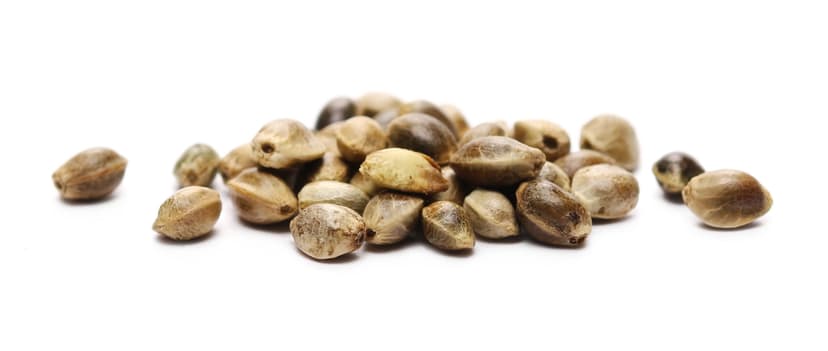
Latenter Hopfen Viroid (HLVd) Samen Analyse
Hop Latent Viroid (HLVd) Seed Analysis
When testing cannabis seeds, the goal is to achieve a negative validation of a batch. Analytical and statistical methods are combined to determine, with a certain probability, that a batch is free from Hop Latent Viroid (HLVd). Up to 10 seeds can be analyzed in a single test. For example, if 60 seeds are to be tested, this corresponds to 6 analyses. Pricing: 1–7 analyses: EUR 32.00 excl. VAT 8–15 analyses: EUR 25.00 excl. VAT 16–47 analyses: EUR 22.00 excl. VAT From 48 analyses: EUR 19.00 excl. VAT Please note that the discount will be applied in your shopping cart.

INSTRUCTIONS FOR THE TEST PROCEDURE
It is important that the sampling is carried out according to our instructions. For invalid tests resulting from incorrectly taken samples, the costs must be borne by the customer.
Which plants should be tested, when, and at what intervals can be found in our guide to the testing strategy.
Assessing HLVd risk in cannabis seeds: statistical significance for your entire batch
With the HLVd test from HANCO CHEM, cannabis seeds can be specifically screened for hop latent viroid. The focus is not just on a single seed but on the negative validation of an entire seed batch. The lab combines PCR-based analysis with statistical evaluation to determine the probability that your batch is viroid-free.
The service is aimed primarily at seed producers, breeders, and retailers who want to put their quality control on a solid foundation. Results are available within three days of sample receipt and can be downloaded as a test certificate.
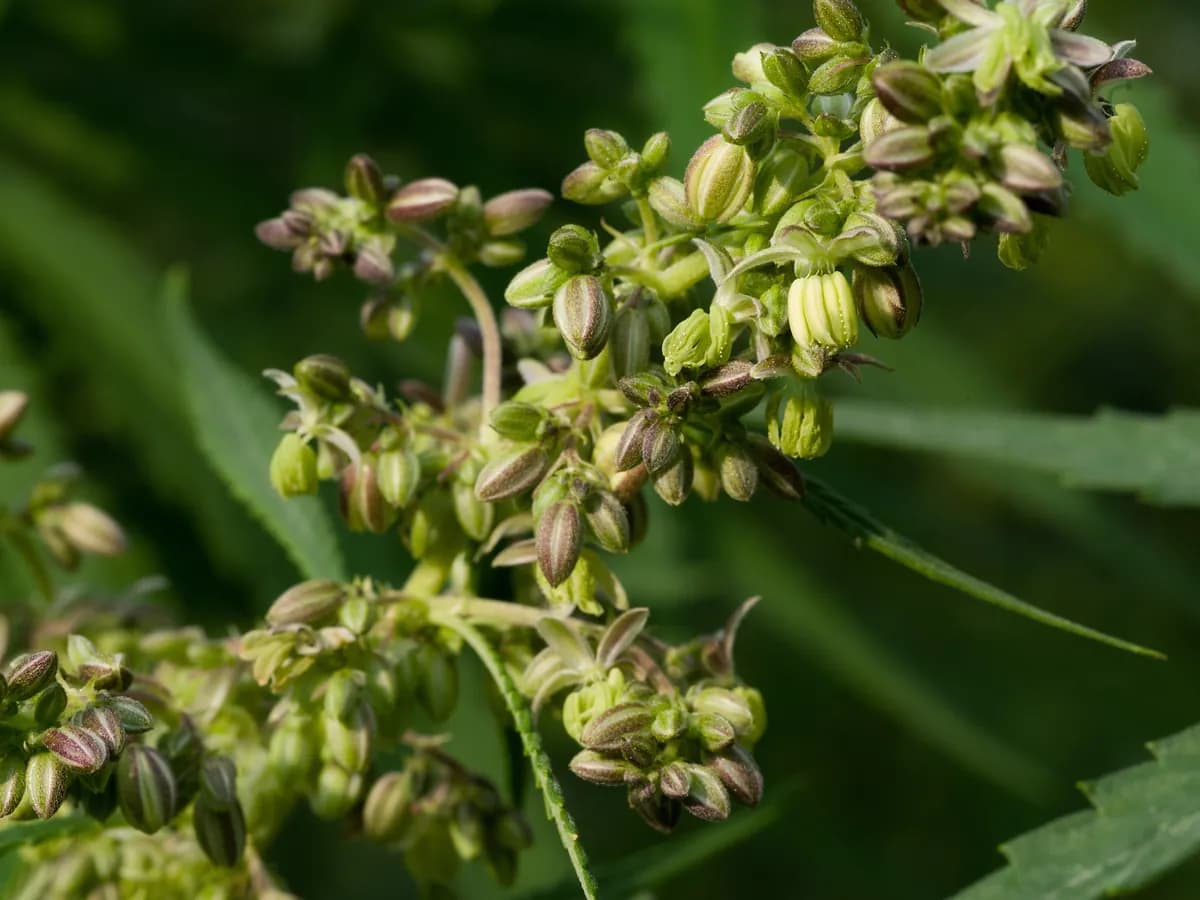
HLVd tests for seed batches: quality starts before sowing
The seeds look flawless and germinate without any problems, yet weeks later the plants are noticeably weak, with poor flower development. This is exactly what makes HLVd so insidious for producers and retailers: if infected starting material enters propagation and production, quality problems, complaints, and financial losses can follow.
An HLVd test therefore provides an objective data basis for quality control, production planning, and batch management. Instead of relying on outward appearance alone, you have your seed batches tested analytically and make decisions based on transparent lab results.
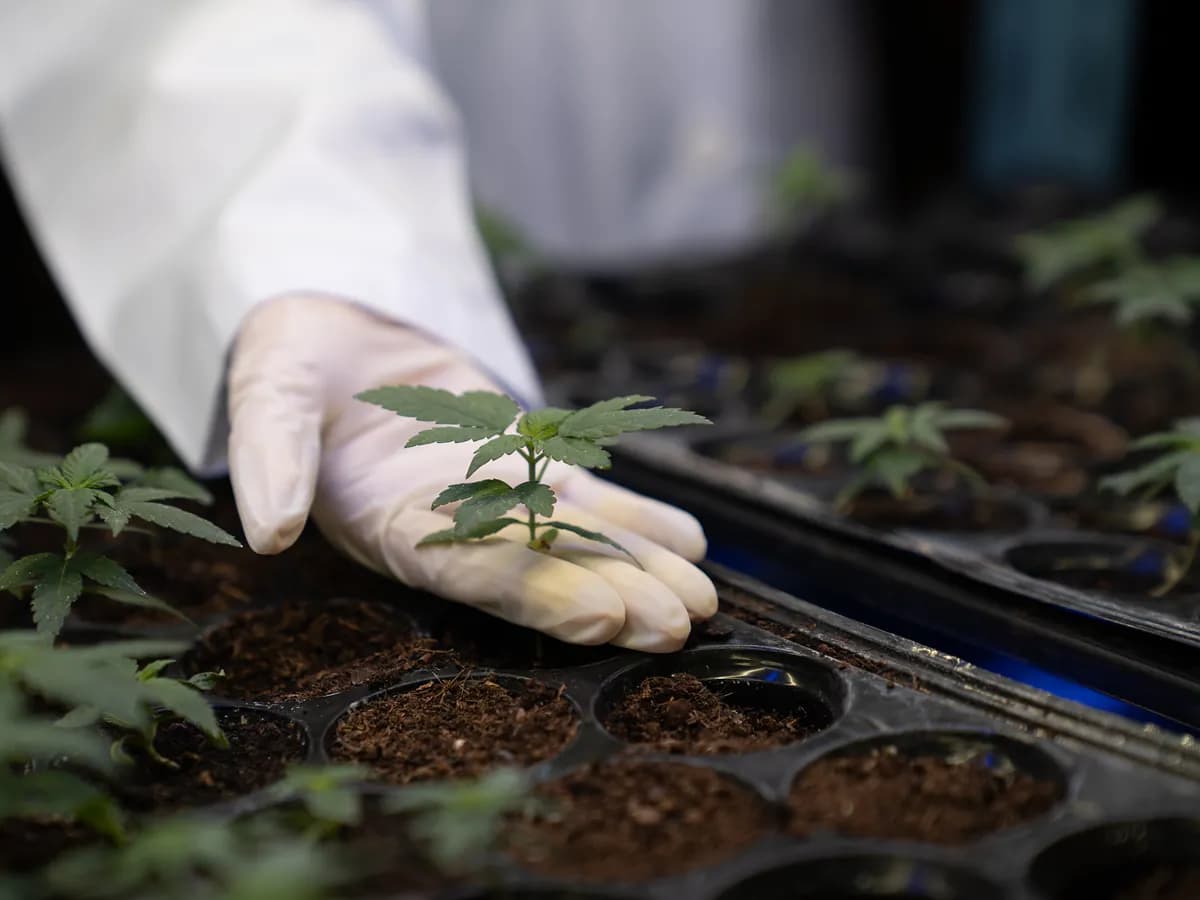
HLVd in cannabis: a tiny viroid with a big impact on production
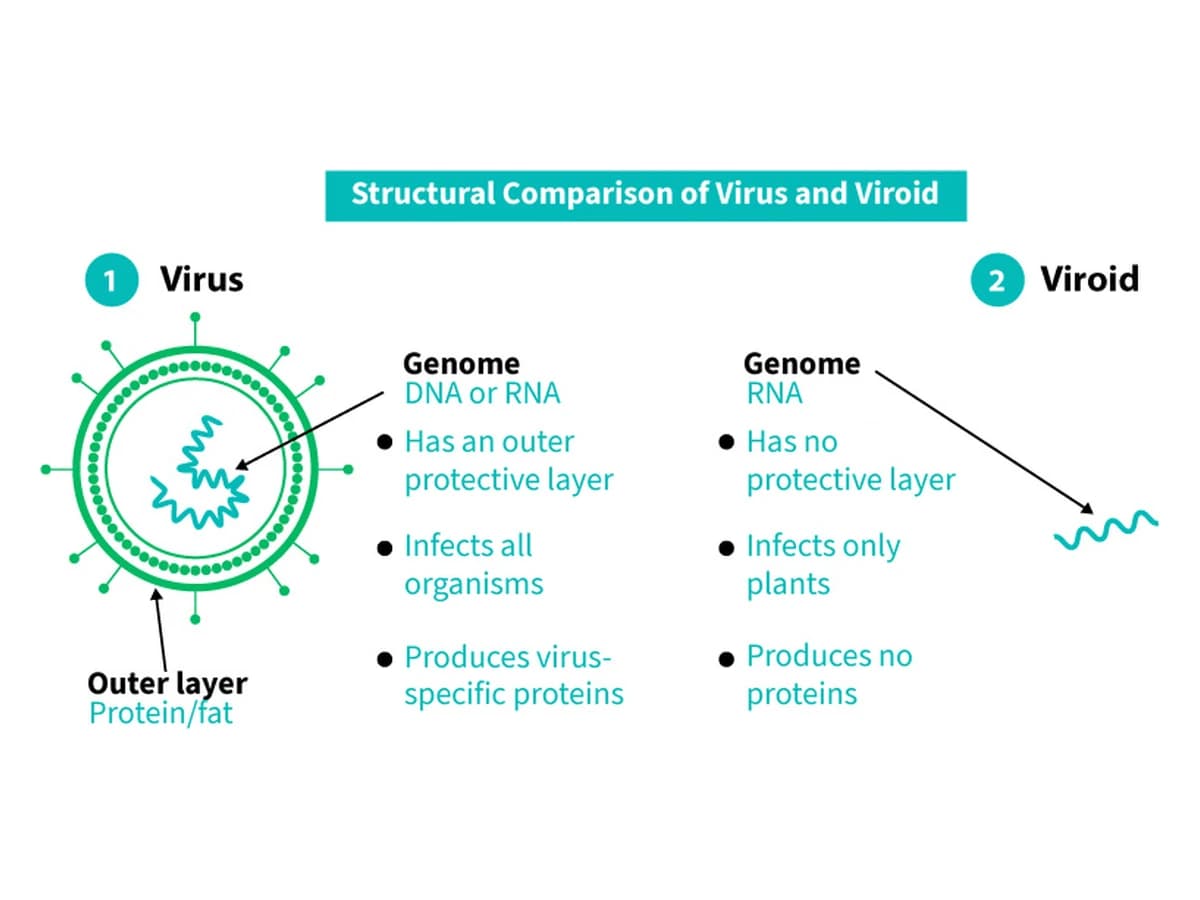
The term "cannabis virus HLVd" is widely used but technically incorrect. HLVd is not a virus but a viroid, a very small infectious RNA molecule without a protein coat. In cannabis, an infection can impair growth, flower development, and therefore the quality of the harvest.
What makes it especially challenging for professional producers is that HLVd can go unnoticed for a long time, since infected plants do not necessarily show clear symptoms. As a result, contaminated plant material can enter propagation or production processes without the infection being apparent at first glance.
More analyses for HLVd and cannabis
In addition to the HLVd test for seeds, HANCO CHEM offers an HLVd analysis for plant tissue, which can be used to test mother plants, clones, and entire crops. We also offer cannabinoid analysis, terpene analysis, and sex determination of cannabis seedlings.
Detecting HLVd: why a visual inspection isn't enough
Stunted growth, smaller or deformed leaves, yellowing, brittle stems, and reduced flower formation can indicate an HLVd infection. However, these signs are not conclusive, as similar symptoms can have other causes. Hop latent viroid can even be present in plants that appear completely healthy and normal.
With cannabis seeds, visual assessment is not possible at all. The only way to reliably determine the status of a batch is therefore an HLVd test in the lab. At HANCO CHEM, we combine our team's academic background with state-of-the-art lab equipment and methods for our HLVd tests. The result is precise, traceable findings you can base your quality assurance on.
Statistical batch testing: how the HLVd test works at HANCO CHEM
When running an HLVd test on a large batch, it isn't possible to test every single seed individually. Instead, the lab analyzes a defined sample and links the result to a statistical evaluation. The rule is: the more seeds test negative, the higher the probability that the entire batch is viroid-free.
Two examples for a batch of 10,000 seeds: if 250 seeds test negative, it can be stated with about 90% probability that the batch is viroid-free with 99% certainty. With 450 negative seeds, the probability rises to about 99%.
Each HLVd test analyzes up to ten seeds. So if, for example, 60 seeds are to be tested, six analyses are required. The HANCO CHEM team is happy to advise you personally on which sample size suits your batch size and requirements.
HLVd testing in Germany and Europe: transparent pricing for any sample volume
Producers and retailers from all over Europe can have their cannabis seeds tested for hop latent viroid at HANCO CHEM. The HLVd test is ordered like a regular item in the online shop. Customers then send in their samples and enter the sample name, batch number, and material in the sample management database. Prices are tiered by the number of analyses and the volume discount is applied automatically in the cart. Correct sampling is essential for meaningful results. If you have questions about it, our team will advise you personally, discreetly and flexibly.
Frequently asked questions about the HLVd test
A positive result shows that HLVd was detected in the tested material. For professional operations, this is an important signal to take a closer look at the affected batch, check the origin of the starting material and take appropriate action. Testing the mother plants may also be useful.
